The overdrawn game of atomic chicken between the USSR and the United States — now known as the Cold War — lastedabout 45 old age . While neither superpower ever deployed nukes on each others ’ soil , high-pitched - ALT bomb examination cause a commotion in Earth ’s atmosphere . Though the conflict has ( thankfully ) long since ended , newly declassify informationsuggests it might have touch on space conditions in means we never anticipated .
According to a unexampled paperpublishedin Space Science Reviews , the high elevation atomic testing conducted by both the USSR and United States created “ artificial radiotherapy bang ” near Earth . Our planet is by nature circumvent by Van Allen radiation belts — zone of highly - charge particles . But the zip from nuclear burst created hot , electrically charged regions within the atm that induced geomagnetic disturbance , and even produced radiation belts of its own . As you could probably estimate , the outcome were not so great — fit in to thestudy ’s authors , this resulted in “ major damages to several planet ” that orb Earth at a somewhat low altitude .
Radiation and high - energy particles from the Sun ofttimes interact with Earth ’s geomagnetic landing field , in the phenomenon known as outer space conditions . When enough of these high energy particle rain down down on the magnetosphere , it can severelydamage communications satellitesand even electric world power grids on the ground . But the radiation from nuclear flack in the ‘ 60 is an extreme object lesson of how humans can also fuck with our geomagnetic field , which is salient to understand but also terrify .
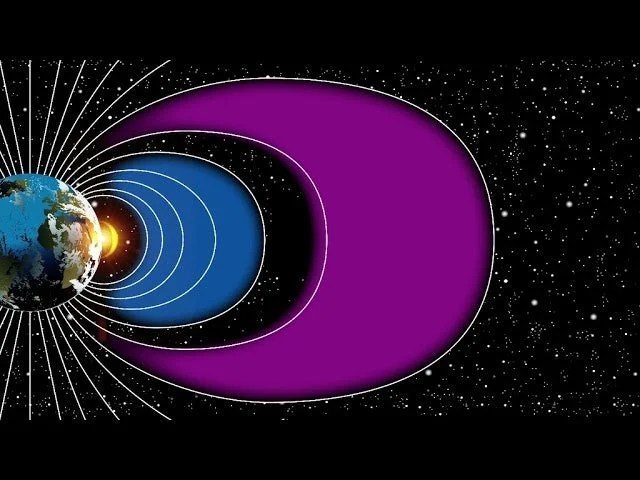
earnestly , who would have guess that missions with names like Argus , Teak , and Starfish would have this kind of an impact ? Theradiation release from Argus alonecaused an flurry of geomagnetic storms over Sweden and Arizona , harmonize to the new report .
“ The tests were a human - get and extreme example of some of the outer space weather effects frequently due to the sun , ” study ’s co - source Phil Erickson , an assistant conductor at MIT ’s Haystack Observatory , toldNASA . “ If we understand what pass off in the somewhat controlled and extreme event that was due to one of these military personnel - made events , we can more well understand the instinctive magnetic declination in the near - space environment . ”
By sympathize how human - get geomagnetic disturbances impact our atmosphere , space way hope to better interpret how to protect cosmonaut in Low Earth Orbit from the shock of space weather , too . Maybe analyse hokey space weather condition can even spill igniter on how a futuremonster solar storm will impact our electric gridsand technology .

Also , hopefully we can quieten down with the nukes here on Earth ’s control surface .
ScienceSpacespace historySpace conditions
Daily Newsletter
Get the good tech , scientific discipline , and culture news in your inbox day by day .
news program from the future , delivered to your present tense .
Please select your desired newssheet and submit your email to upgrade your inbox .

You May Also Like


